For a long time, Casual Mall Leasing (CML) sat on the margins of shopping centre strategy. It was useful, flexible and often profitable, but rarely treated as a core lever. It filled gaps, absorbed short-term demand and added a sense of movement to the mall.
In Australia, that role is changing — not because CML itself has changed, but because the market around it has.
To understand where Casual Mall Leasing is heading in 2026, it is worth starting with the fundamentals.
A market defined by scarcity, not expansion
Australia’s retail property market has entered a phase where growth is no longer driven by new supply. Development pipelines remain thin, and most regional and sub-regional shopping centres are operating at very high occupancy levels.
According to recent market data, vacancy across regional shopping centres sits below 3% nationally, and closer to 2.2% in metropolitan locations. At the same time, leasing spreads have turned positive again, reaching up to 2.75% in 2025, while prime yields for regional centres have stabilised in the 5.5%–6.0% range.
This matters for Casual Mall Leasing because scarcity changes behaviour.
When space is abundant, temporary activations are a convenience. When space is scarce, every square metre has an opportunity cost. In that environment, CML naturally shifts from being a stopgap solution to becoming a productivity tool — a way to extract more value, relevance and flexibility from space that is already in demand.
Physical retail remains dominant — but expectations have changed
Despite years of e-commerce growth, Australia remains a highly physical retail market. Online sales accounted for approximately 12.7% of total retail turnover in mid-2025, according to the Australian Bureau of Statistics, with banking data suggesting a slightly higher share of around 14.8%.
This balance is crucial. Physical retail is still where most transactions happen, but brands no longer expect every physical presence to be a long-term commitment. Instead, many are looking for controlled exposure: ways to test locations, connect with customers and support omnichannel strategies without locking themselves into inflexible leases.
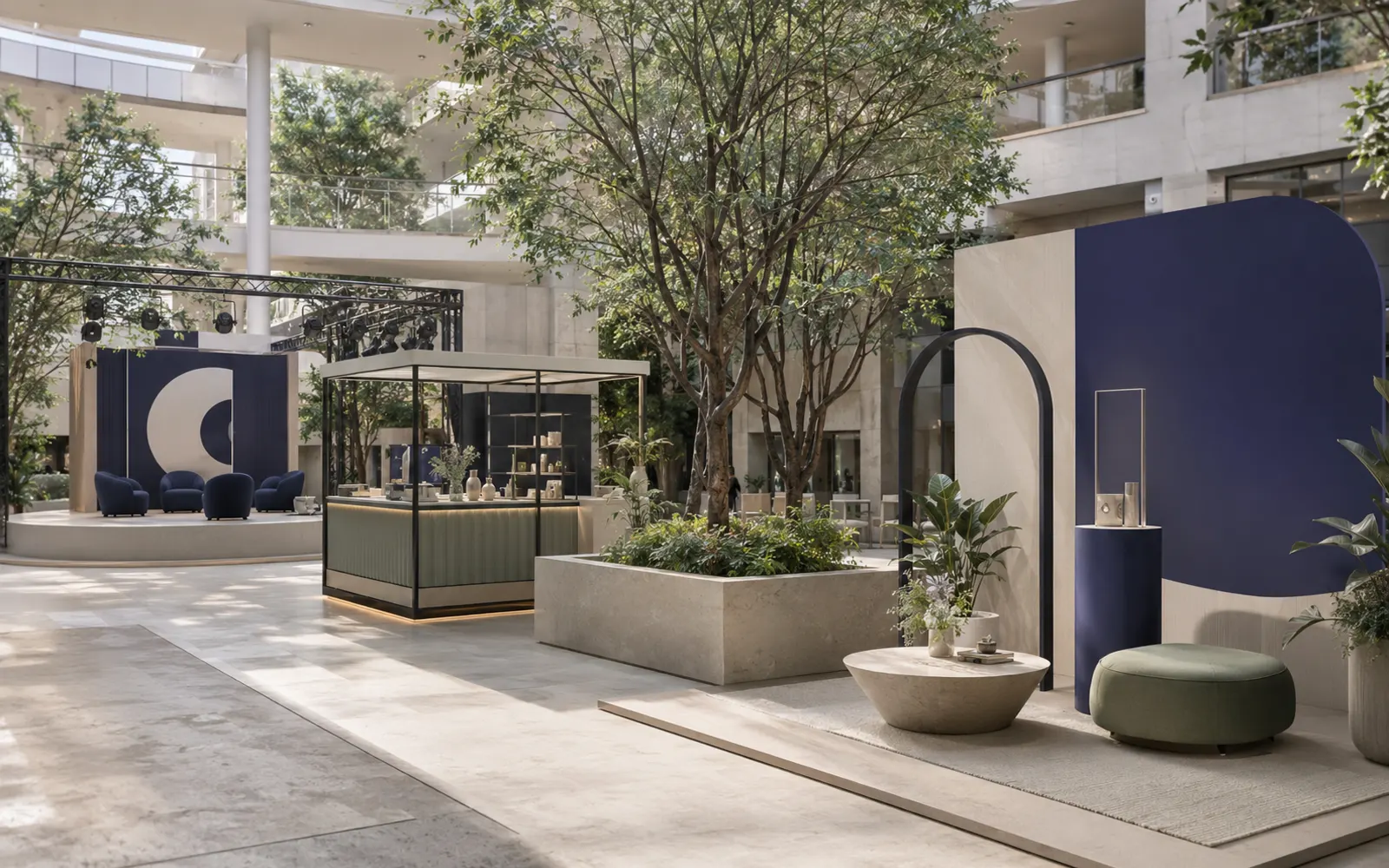
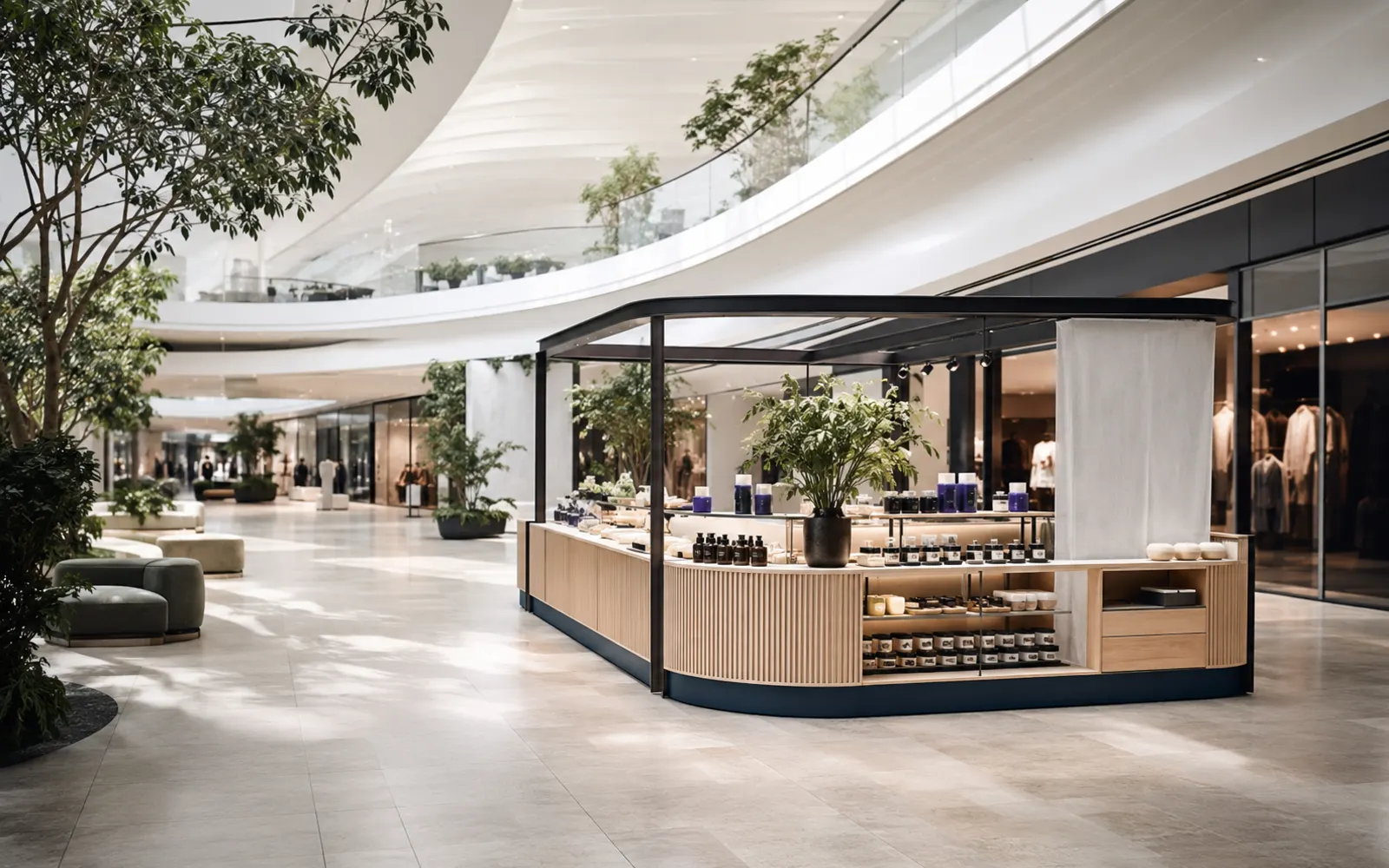
Casual Mall Leasing fits neatly into this logic. Pop-ups and short-term activations are increasingly used not only to generate sales, but to acquire customers, validate demand and build brand awareness in a physical environment that still delivers scale.
Population growth continues to support demand
While net overseas migration has moderated from its post-pandemic peak, it remains structurally supportive. Net migration of approximately 306,000 people in 2024–25 continues to underpin demand in urban and growth corridors, particularly in catchments served by major shopping centres.
For landlords, this means footfall fundamentals remain solid — but the challenge shifts toward capturing and converting that traffic more effectively. Again, this creates space for well-executed, well-located temporary activations.
Inflation, caution and the return of flexibility
The macroeconomic backdrop adds another layer to the story.
Economic forecasts point to GDP growth improving to around 2.3% in 2026, up from roughly 1.8% in 2025. At the same time, inflation is expected to remain above the Reserve Bank of Australia’s target band for much of 2026, with headline inflation projected to hover above 3% and peak around mid-year.
This combination — moderate growth with lingering inflation — keeps both consumers and retailers cautious. Value matters. Risk matters. Flexibility matters.
In this environment, Casual Mall Leasing becomes more attractive not just operationally, but financially. Shorter commitments, hybrid pricing models and revenue-based components allow brands to manage risk while giving landlords upside when performance is strong.
What these numbers mean for Casual Mall Leasing
Taken together, the data points to a clear shift.
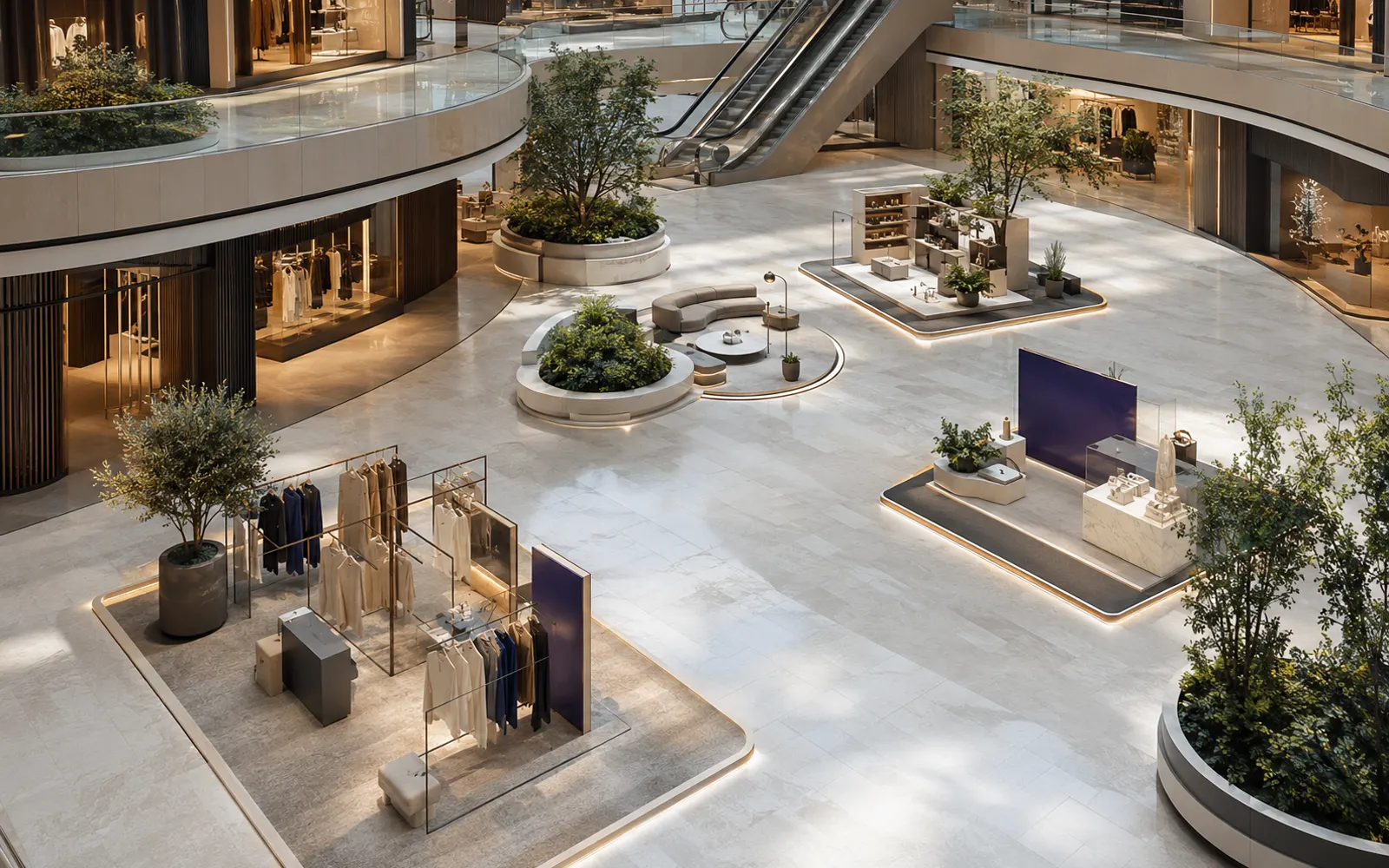
Casual Mall Leasing is no longer primarily about filling empty space. In a low-vacancy market, it becomes a way to optimise high-traffic zones, rotate concepts without destabilising the permanent mix, and monetise seasonal demand with precision.
Tenant mix trends reinforce this. The growing share of mini-majors and experience-led categories increases visit frequency and creates more campaign-driven traffic, which naturally supports short-term activations tied to launches, events and peak trading periods.
At the same time, the rise of omnichannel retail changes what “success” looks like for a pop-up. Sales still matter, but so do engagement, conversion and repeatability. As a result, the ability to measure performance — even at a basic level — becomes critical.
What to expect in 2026
By 2026, several developments are likely to become standard rather than exceptional.
Pricing models will continue to evolve toward performance alignment, with more hybrid and turnover-based structures. Execution standards will rise, as landlords become less willing to allocate prime internal locations to underwhelming activations. Casual Mall Leasing will increasingly be planned as part of an annual commercial calendar, aligned with school holidays, Christmas and centre-wide campaigns rather than managed on an ad-hoc basis.
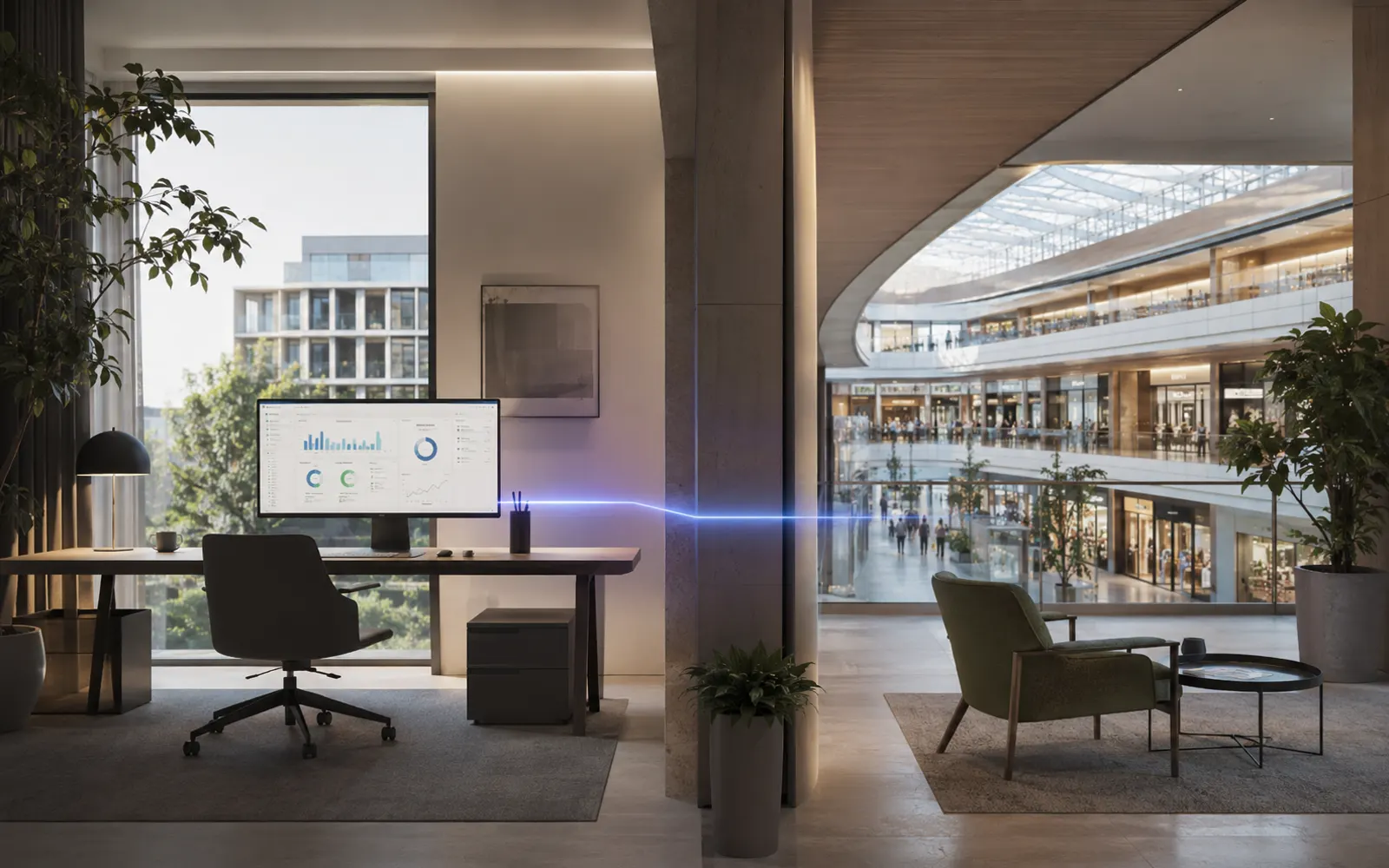
Perhaps most importantly, data will stop being optional. Not complex analytics, but fundamental visibility: what works, where it works, for how long, and which brands justify repeated exposure or a transition into permanent space.
As the value of CML increases, competition for the best internal locations will intensify. The winners will be brands that can demonstrate impact — and centres that can measure it.
A strategic channel, not a tactical one
Casual Mall Leasing in Australia is not becoming less flexible or less creative. It is becoming more intentional.
In a market defined by high occupancy, limited supply and cautious growth, CML offers something increasingly valuable: controlled experimentation, revenue optimisation and strategic optionality.
By 2026, the centres that extract the most value from Casual Mall Leasing will not be those with the most temporary space, but those that understand how to plan it, price it, measure it and integrate it into the broader leasing strategy.
Sources
- CBRE Australia – Retail Market Outlook 2024–2025
- Australian Bureau of Statistics – Retail Trade, June 2025
- National Australia Bank – Online Retail Sales Index, August 2025
- OECD – Economic Outlook 2025
- Reserve Bank of Australia – Statement on Monetary Policy, November 2025