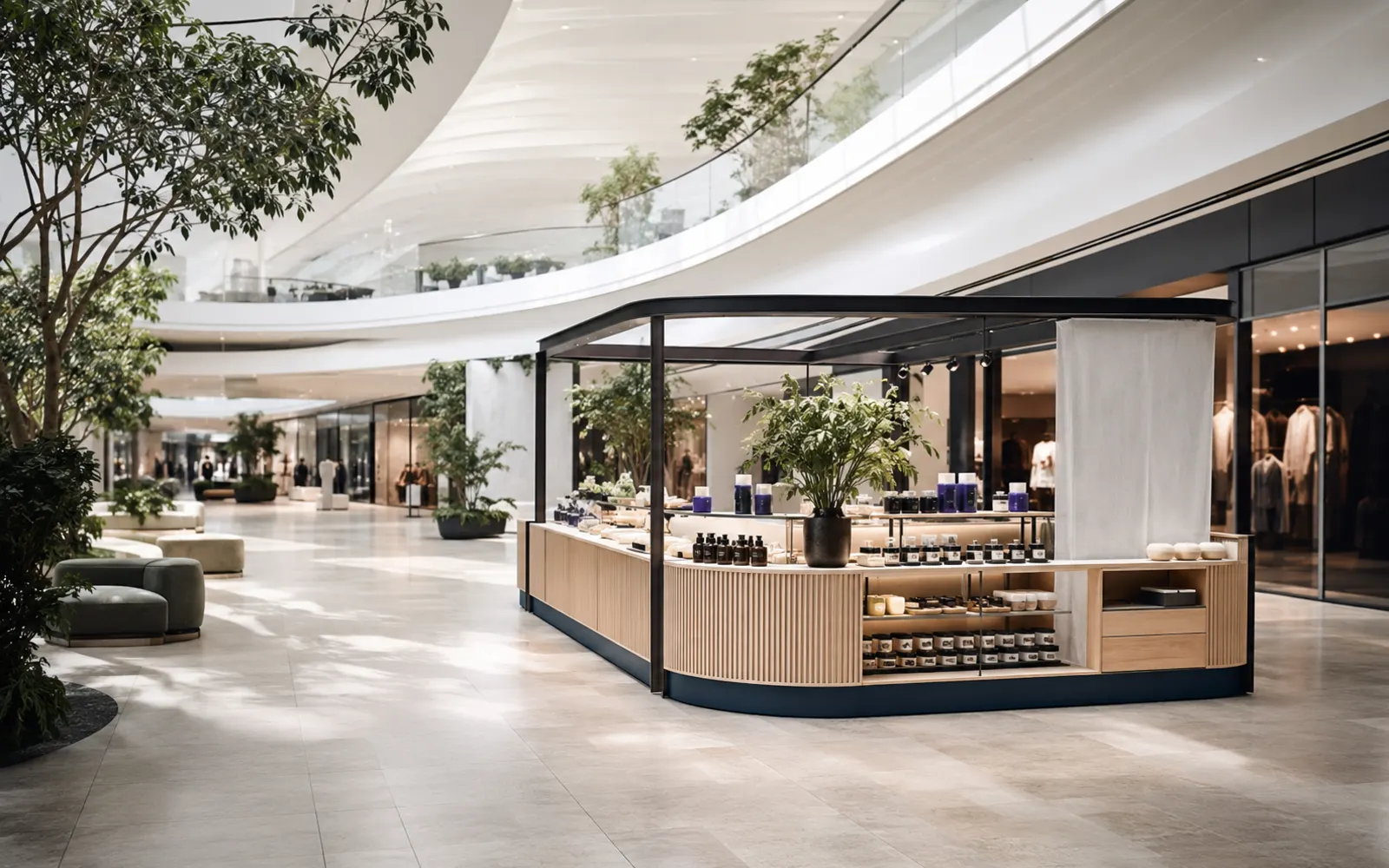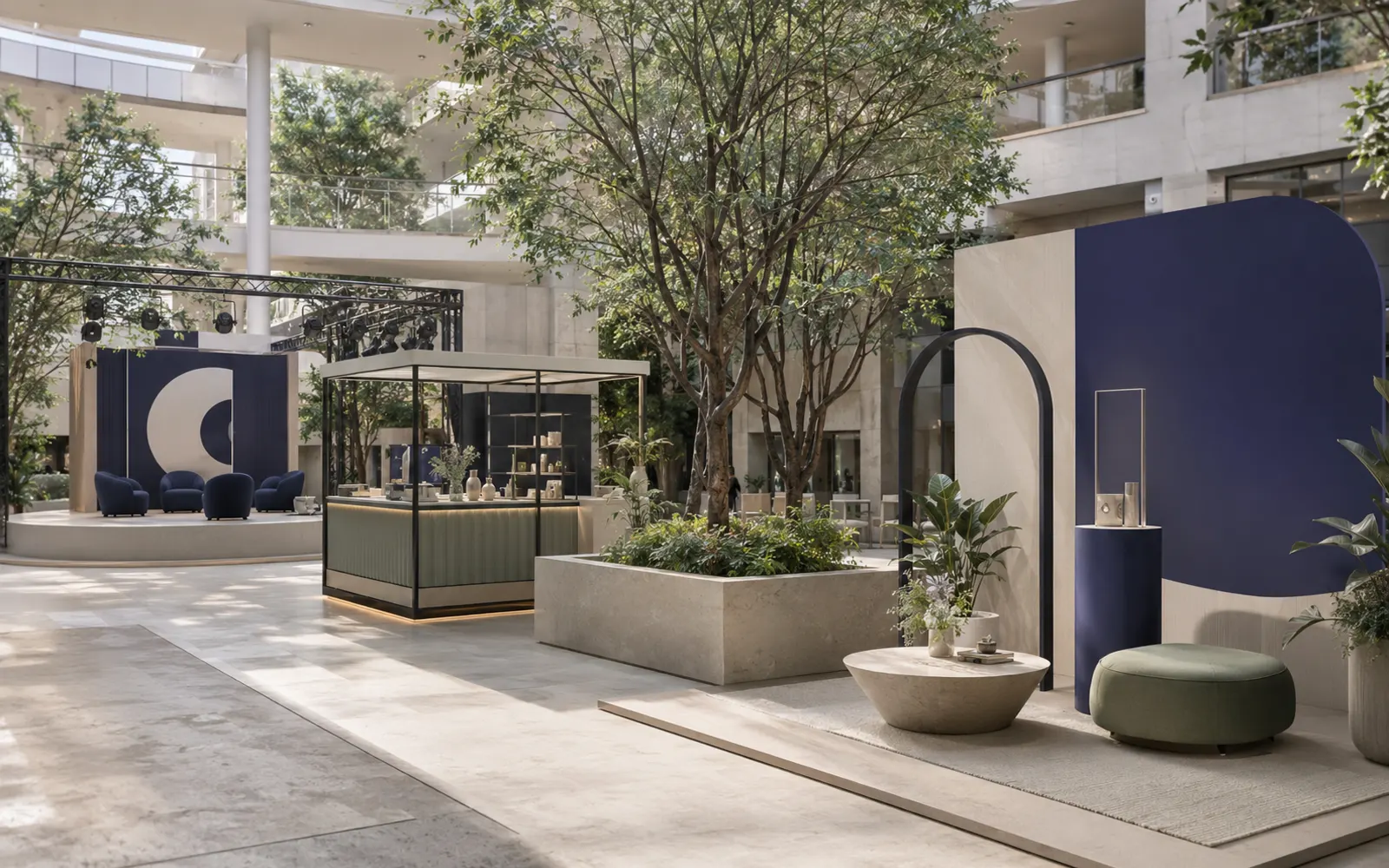
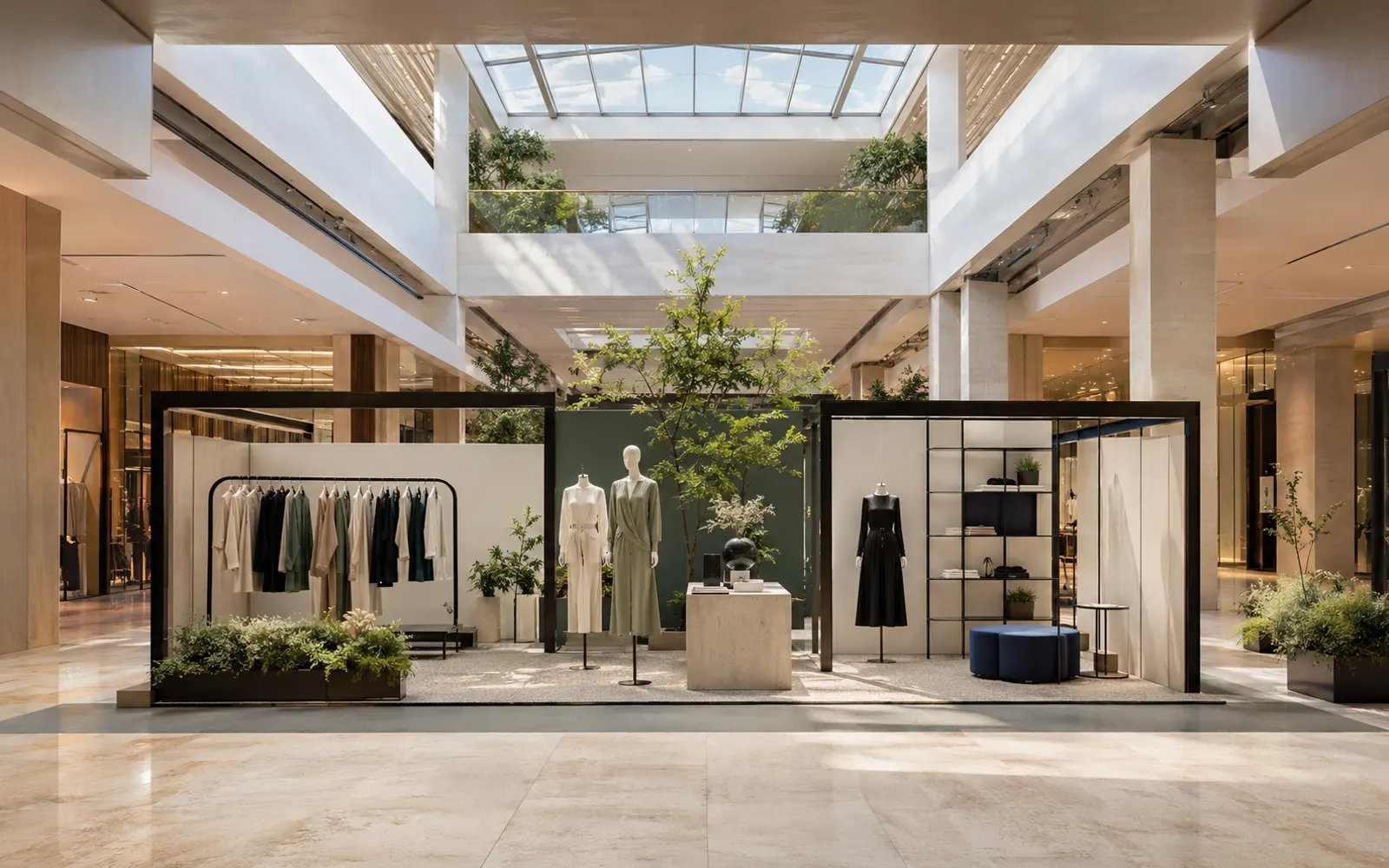
For decades, Specialty Leasing in U.S. shopping malls lived in an ambiguous space. It was flexible, incremental and often profitable, but rarely strategic. Kiosks, pop-ups and short-term activations were typically managed as ancillary income — useful, but peripheral to the core leasing strategy.
That perception is changing.
Not because specialty leasing has reinvented itself, but because the U.S. retail real estate market has entered a new phase. One defined less by expansion and more by optimisation, capital discipline and performance per square foot.
As we look toward 2026, specialty leasing is increasingly positioned to move from a tactical tool to a strategic engine within mall operations.
A mature market that rewards flexibility
The U.S. shopping center market is fundamentally different from many others: it is large, mature and highly segmented. After years of store closures, redevelopments and tenant churn, most institutional owners are no longer focused on adding GLA. Instead, the focus has shifted toward extracting more value from existing assets.
In many regional and super-regional malls, occupancy has stabilised, redevelopment pipelines are selective, and capital is being deployed carefully. In this environment, flexibility becomes an advantage.
Specialty leasing offers something permanent leasing often cannot:
the ability to respond quickly to changing demand without locking in long-term risk.
That flexibility is increasingly valuable in a market where brands are cautious, capital costs remain elevated, and performance scrutiny is higher than ever.
Physical retail still matters — but permanence is questioned
Despite the growth of e-commerce, the U.S. remains a deeply physical retail market. Malls continue to play a central role in discovery, experience and brand-building — particularly for categories where touch, trial and immediacy matter.
What has changed is the way brands approach physical presence.
Many retailers no longer see every store as a long-term commitment. Instead, they are looking for optional exposure:
testing new markets,
validating formats,
supporting digital acquisition,
or creating temporary moments around launches and campaigns.
Specialty leasing fits squarely into this logic. Pop-ups and kiosks are no longer just about short-term sales; they are increasingly used as controlled experiments within the physical environment.
A consumer environment that favors rotation and novelty
U.S. consumers are navigating a mixed macro backdrop: resilient employment, but continued sensitivity to price, value and relevance. This has direct implications for mall strategy.
Rather than relying solely on static tenant mixes, leading landlords are placing more emphasis on:
rotation,
novelty,
and short-term reasons to visit.
Specialty leasing plays a key role here. Well-executed activations create movement within the mall, refresh familiar paths and give repeat visitors something new to engage with — without destabilising the permanent tenant mix.
In this sense, specialty leasing becomes less about filling space and more about programming the asset.
From ad-hoc deals to a curated layer of the mall
One of the most important shifts underway in the U.S. is conceptual.
Specialty leasing is no longer being managed simply as “available temporary space”. In more advanced organizations, it is increasingly treated as a curated commercial layer, sitting between marketing, leasing and asset management.
This means asking different questions:
Which categories belong in high-traffic zones?
When should activations rotate throughout the year?
Which concepts drive conversion, not just presence?
Which brands justify repeat exposure — or a permanent lease?
As a result, brand quality, visual execution and operational discipline matter more than ever. The bar is rising, particularly for prime internal locations.
Data is becoming the dividing line
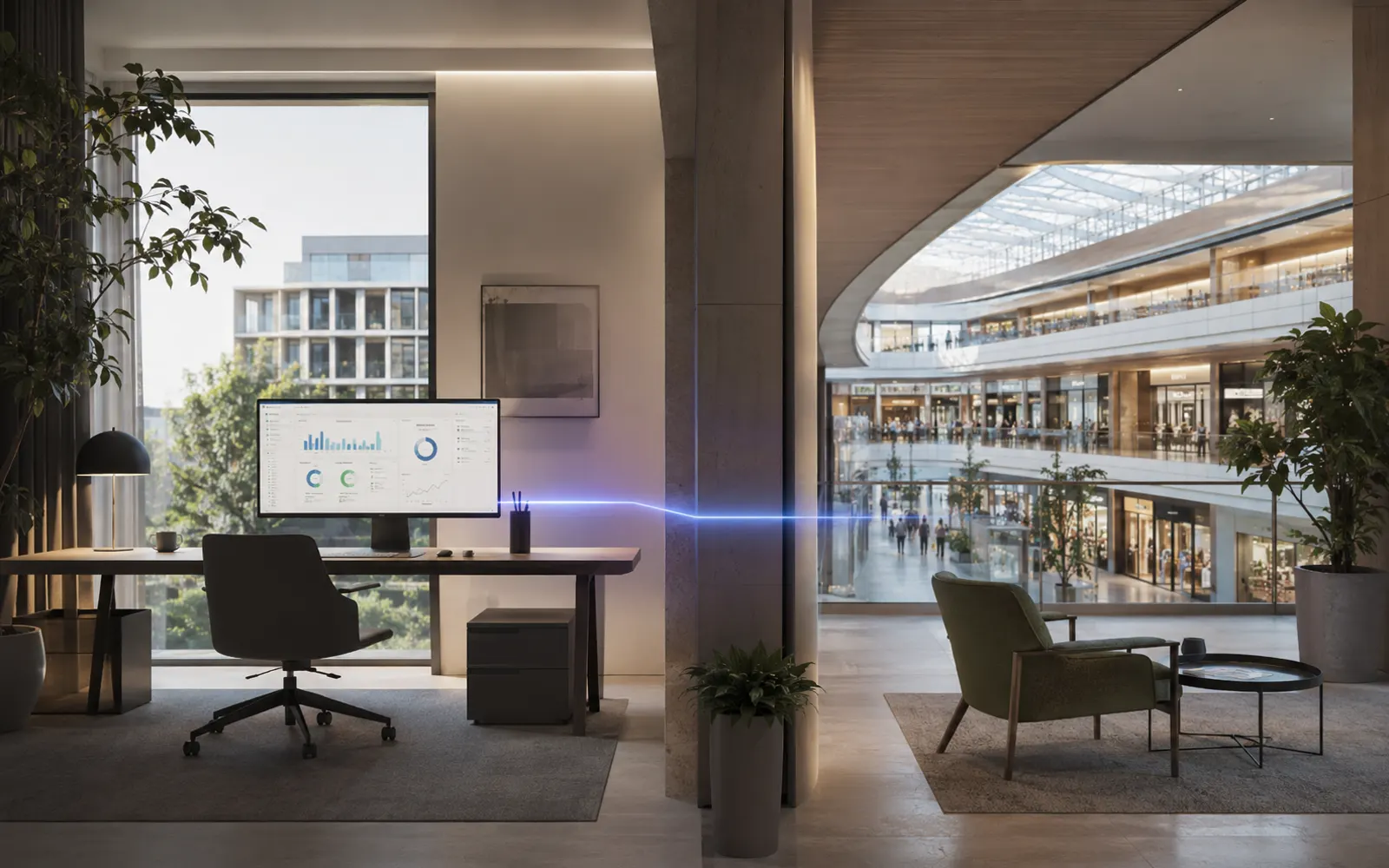
As specialty leasing grows in economic and strategic importance, visibility becomes critical.
Not sophisticated analytics — but clarity:
which categories perform,
which locations convert,
how long activations should run,
which brands repeat,
and which eventually transition into permanent tenants.
In large U.S. portfolios, this is increasingly the difference between managing specialty leasing as a business — or as a collection of disconnected deals.
The more central specialty leasing becomes, the less tolerance there is for intuition-only decision making.
What to expect in 2026
Looking ahead, several trends are likely to accelerate rather than reverse.
Performance-based commercial models will continue to gain ground, with more revenue-share and hybrid structures aligning landlord and brand incentives. Execution standards will tighten, particularly in Class A and dominant regional malls, where internal competition for prime locations is increasing.
Specialty leasing will also become more calendar-driven, integrated into annual planning around peak trading periods, marketing campaigns and asset-level objectives — rather than managed reactively.
Most importantly, specialty leasing will increasingly be evaluated not just on incremental rent, but on its contribution to:
traffic,
tenant mix optimisation,
brand discovery,
and long-term leasing outcomes.
A strategic channel hiding in plain sight
Specialty leasing in the U.S. is not a new concept — but its role is evolving.
In a market defined by maturity, capital discipline and constant pressure on performance, it offers something increasingly rare: strategic flexibility at scale.
By 2026, the most successful mall operators will not be those who simply “have” specialty leasing, but those who understand how to:
plan it deliberately,
price it intelligently,
measure it consistently,
and integrate it into the broader leasing strategy.
What was once a tactical solution is quietly becoming a strategic advantage.